


Outdoor gear fails fast without the right enclosure. Water creeps in. Dust collects. Circuits trip. Choose a proven electrical enclosure and a reliable cabinet build once—then stop worrying. I’ll show you the exact steps we use on export projects to keep lines running in any weather.
The leading electrical enclosure manufacturers design and build enclosures that meet NEMA and IP enclosure ratings, protect electrical and electronic equipment, and deliver on materials, sealing, ventilation, and compliance. Look for certified cabinet makers with proven manufacturing process, UL testing, and custom options. Shortlist suppliers that provide custom enclosure engineering, fast lead times, and documented quality.
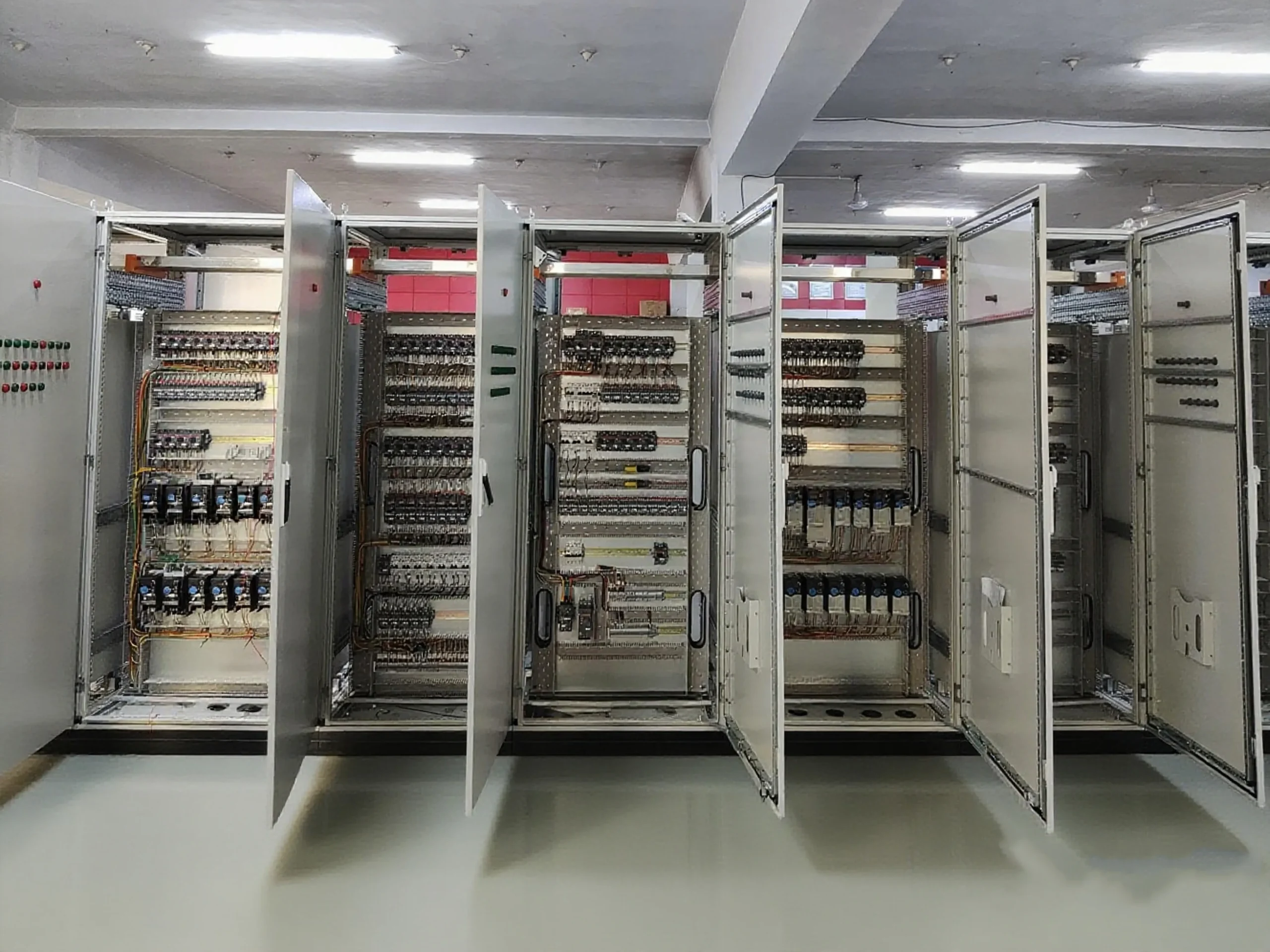
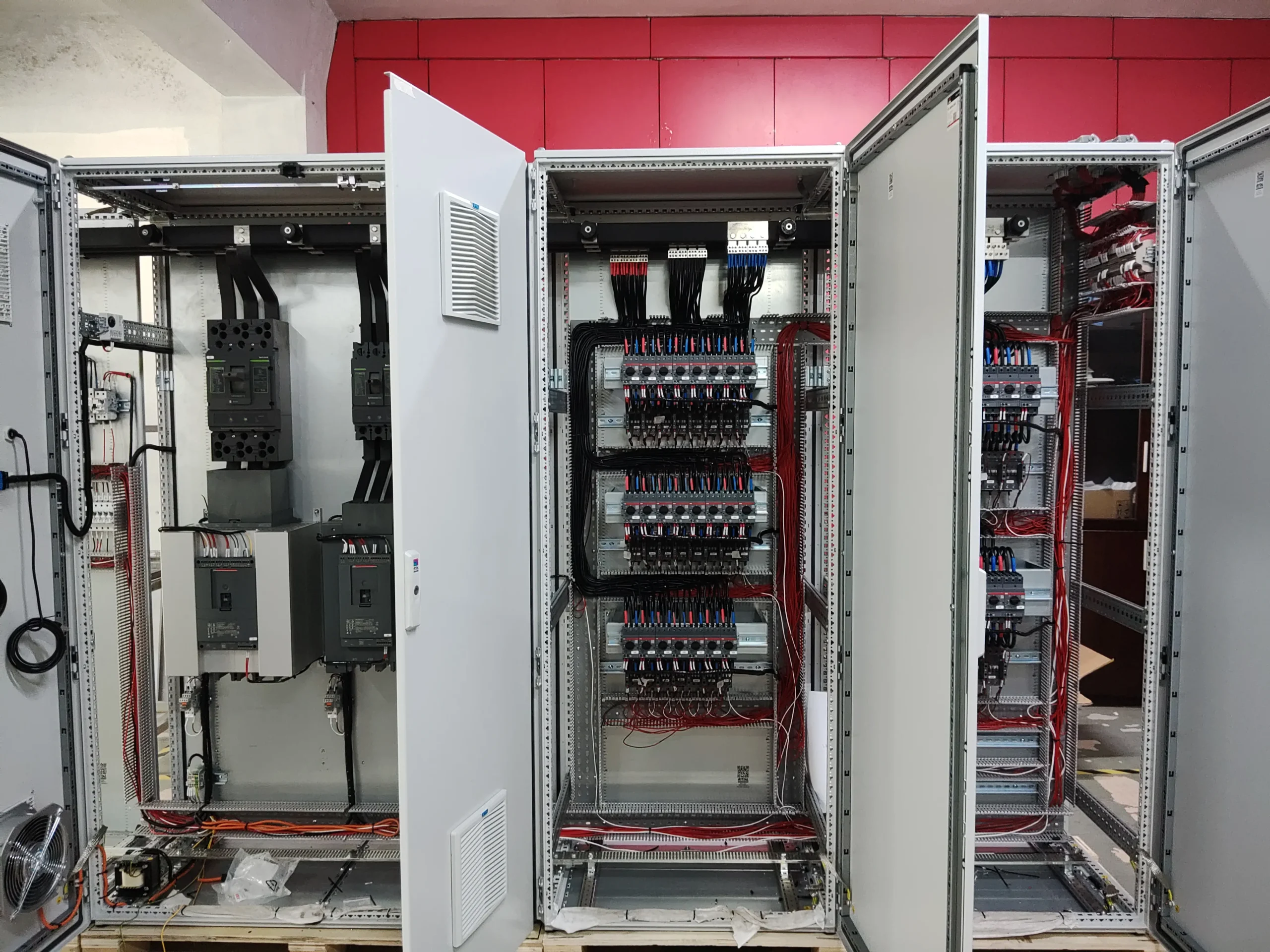
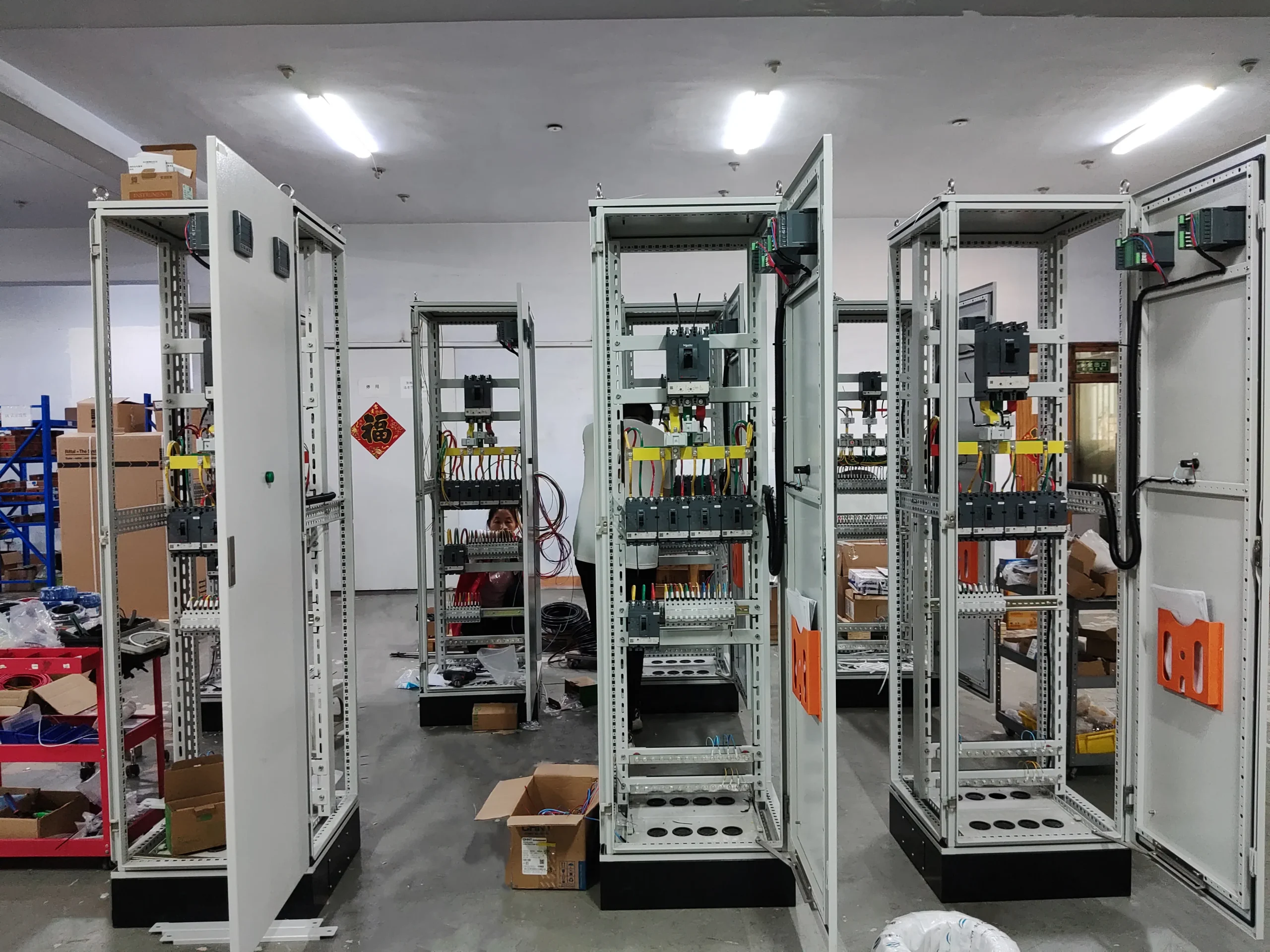
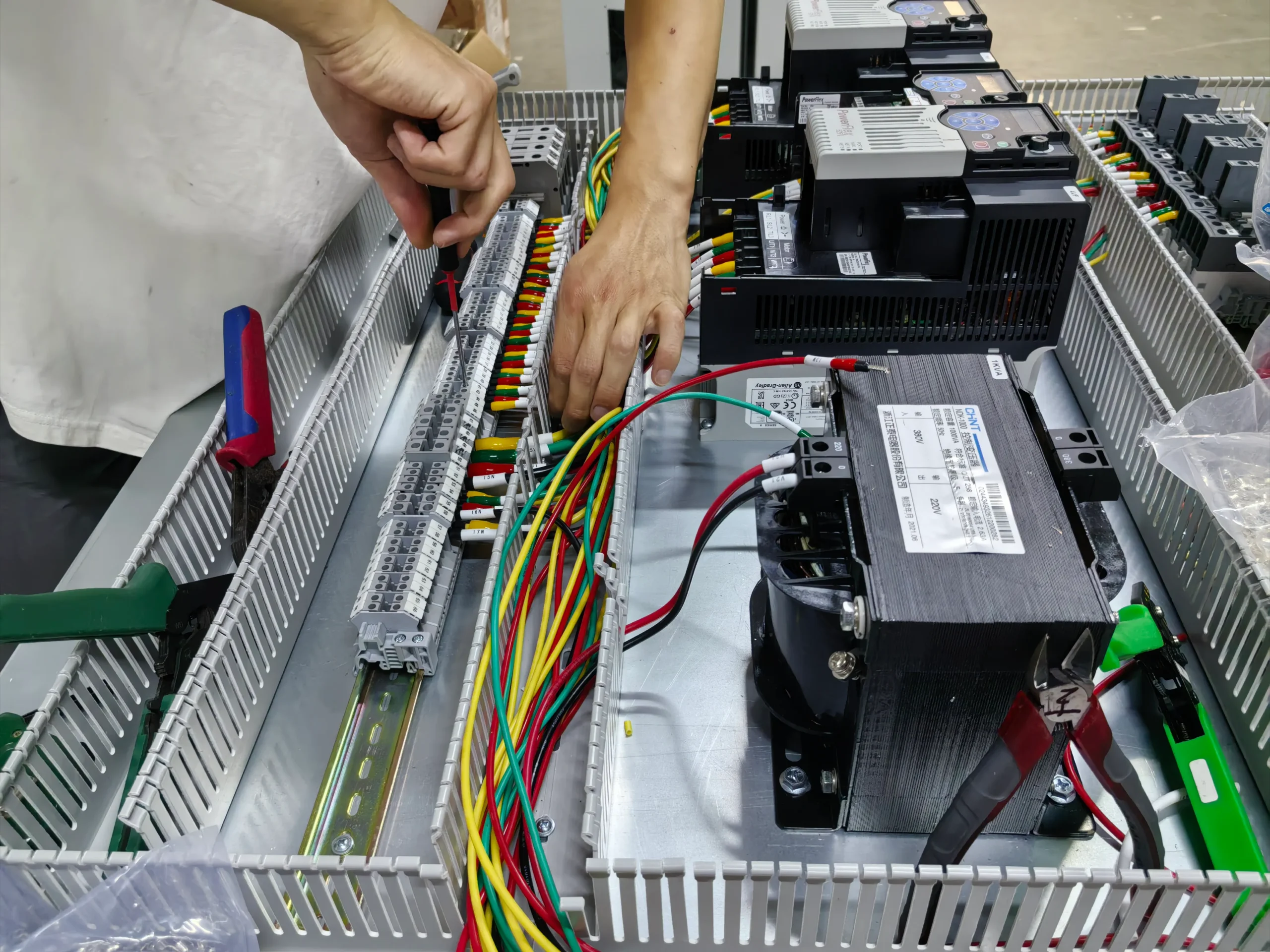
In the modern world, electrical systems are critical for almost every business operation. However, improper protection and management of electrical components can lead to costly downtime, maintenance, and even safety risks. Electrical cabinets are the ultimate solution to ensure safe, reliable, and efficient power distribution across various industries. An electrical cabinet is a protective enclosure designed to house electrical components, such as circuit breakers, PDUs, and junction boxes. It safeguards electrical equipment from environmental factors, providing corrosion resistance, dust protection, and ensuring safety for indoor and outdoor applications. These cabinets are essential for managing power systems efficiently and reliably.
In today’s fast-paced industrial environments, ensuring a stable and reliable power supply is essential for continuous operation. Without an effective power distribution system, businesses risk costly downtime, equipment failures, and even safety hazards. But how do you ensure power is distributed efficiently and safely? A PDU (Power Distribution Unit) cabinet is an essential component in any electrical system, designed to regulate, protect, and distribute power to various machines, servers, or devices. It centralizes the management of power, ensuring that electricity flows securely and efficiently.
A PLC control cabinet is a specialized enclosure that houses the PLC (Programmable Logic Controller), its power supply, input/output devices, relays, and associated control elements. This cabinet ensures that the control system for machinery and processes is organized, safe, and well-maintained. It not only protects the PLC and other components but also provides a clean and accessible space for operators and technicians to interact with the system.
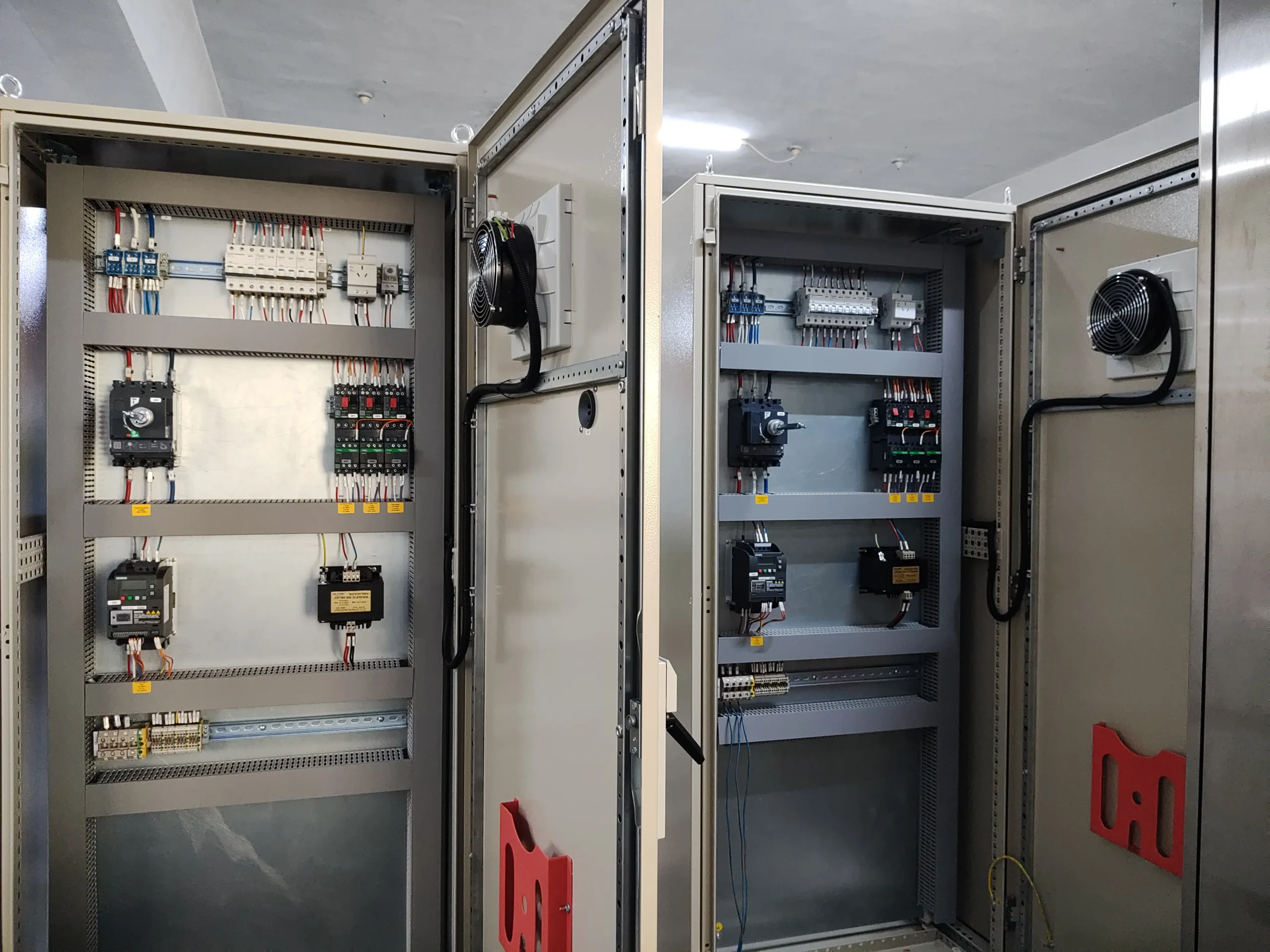
I often see confusion around this term. People mix it with panels. That creates risk and delays. I explain the meaning in simple words with real project notes. An electrical cabinet is an enclosed structure that holds power and control devices. It protects people and equipment, keeps wiring organized, and enables safe operation, testing, and maintenance.

-scaled.webp)